
A Kane-Do attitude leads Harry to Golden Glory

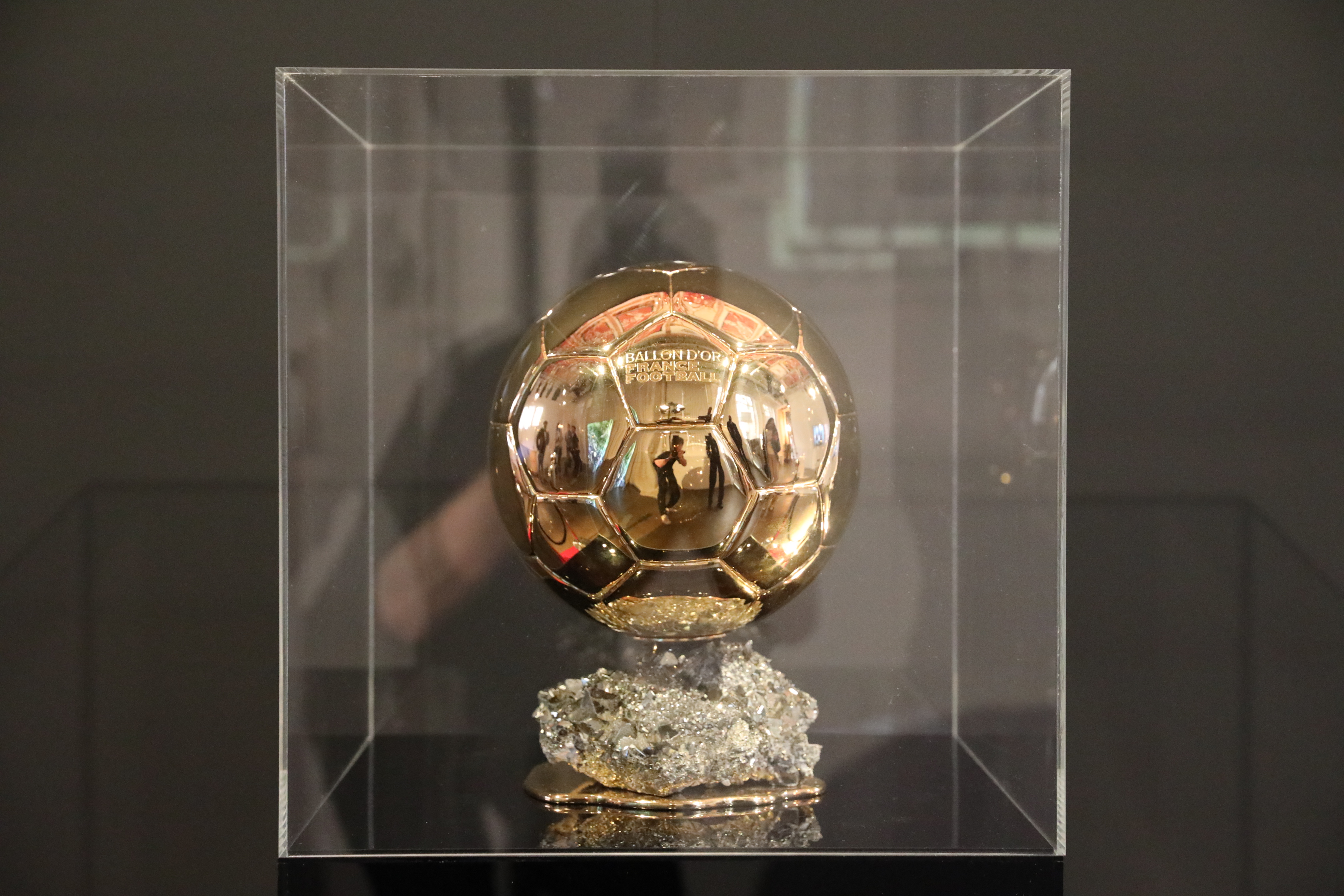
Write this down, because rival fans will want to forget it: the Ballon d'Or winner once played for Tottenham Hotspur. On Monday night at the London Palladium, Harry Kane was crowned the best footballer on the planet, the first Englishman to win the award since Michael Owen in 2001. Somewhere in north London, a few Arsenal fans are still checking it isn't a typo. Jokes aside, this was a moment for English football as a whole, and a fitting reward for one of the most complete strikers of his generation.
There was something poetic about where it happened. For the first time in its 70-year history, the ceremony left Paris, coming to London to honour Sir Stanley Matthews, the award's very first winner. That the trophy then went to a boy born in Walthamstow, who grew up a few miles away in Chingford, felt less like coincidence and more like fate. Fans packed the streets outside and were still chanting his name after midnight. Kane himself called the London setting a good omen. Some stories write themselves.
The night had drama before a single envelope was opened. Hours before the ceremony, the official Ballon d'Or website published three separate articles crowning Kane, Mbappé and Yamal as winners. Organisers insisted it was an accident, saying profiles prepared in advance had been published by mistake, and launched an investigation. Blunder or brilliance? Officially, the former. But from a comms point of view, it is hard to imagine a more effective teaser: three fanbases convinced their man had won, social feeds in meltdown, and a global audience suddenly desperate to know which version was true. Intentional or not, it proved that in the attention economy, suspense is still the most valuable currency.
Kane’s numbers did the talking: 73 goals for club and country last season, 61 of them for Bayern, alongside three domestic trophies. In a year when the World Cup and the Champions League were lifted by others, it was Kane who claimed football's most esteemed individual prize. And yet there is something almost ironic about it. Kane has never played for himself. He drops deep, he creates, he presses, and he leads by setting the standard and expecting others to meet it. An individual award for the ultimate team player is a contradiction, but perhaps that is exactly why he deserves it.
Yet the moment that may outlast the headlines happened away from the stage. A BTS clip on Kane's Instagram, showing him embracing his wife Kate moments after his name was called, has drawn huge views and engagement. There was no polished soundbite and no sponsor board, just a man sharing the biggest night of his career with the person he has known since childhood. For anyone working in athlete storytelling, that is the lesson. Fans admire trophies, but they connect with people. Showing the human side of an elite athlete is not a soft extra; it is what turns a winner into someone audiences genuinely root for.
Above all, this is a reward for graft. It is easy to forget that Kane was once a teenager shuttling between loan spells at Leyton Orient, Millwall, Norwich and Leicester, doubted by many who thought he would never make it at the top. He came back to become the Premier League's most feared striker, then backed himself to start again in Germany and has only grown since. For England, he has been the main man for the best part of a decade, captain and record goalscorer. Too often his goals were taken for granted, and he never finished higher than tenth in this vote. Not anymore.
Harry Kane is proof that hard work pays off. On Monday night, in his home city, the world finally stood up and applauded. Rival fans can check the spelling all they like. The name on the trophy is Harry Kane.
Words by Jodie Rich, Senior Account Executive